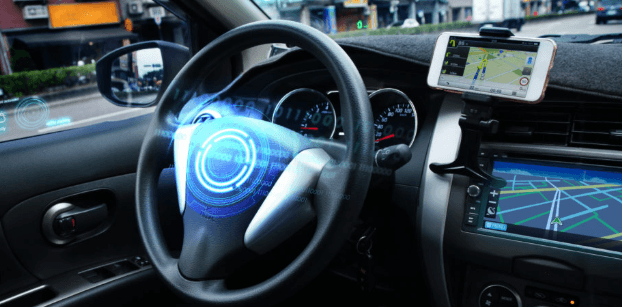
The Future of Hands-Free Technology
The future of hands-free technology is envisioned as a network of ambient sensing and on-device inference that anticipates needs with minimal input. Subtasks, reminders, and data capture are orchestrated transparently, preserving user control. Privacy-by-design and adaptive security underpin credible deployments with auditable data flows and consent-first paradigms. Interoperable standards and skill-building will determine adoption trajectories, shaping more efficient workflows while leaving room for safeguards and deliberate choice as the landscape evolves.
How Hands-Free Tech Will Reshape Everyday Tasks
The rise of hands-free technologies stands to redefine routine tasks by replacing manual input with seamless voice, gesture, and context-aware interactions.
In daily workflows, hands free ergonomics optimizes posture and reduces strain, while voice activated wearables orchestrate subtasks, reminders, and data capture.
Analysts project measurable productivity gains, while users experience liberated autonomy, faster decisions, and more intentional, distraction-free environments.
The Tech Behind Seamless Interaction
This era of seamless interaction rests on a triad of perceptual sensing, contextual understanding, and responsive execution, enabling devices to anticipate needs before explicit commands arise.
Gesture interfaces enable intuitive control through motion, while ambient computing embeds intelligence into environments, reducing manual input.
data-driven models fuse sensor streams, predictive analytics, and lightweight on-device inference, creating fluid interactions that feel autonomous, empowering users with freedom and controlled, transparent autonomy.
Privacy, Security, and Trust in Hands-Free Systems
Privacy, security, and trust form the non-negotiable parameters of hands-free systems, shaping adoption as sensors, models, and actuators become deeply embedded in daily life.
The trajectory envisions robust privacy rights enshrined through transparent data minimization, auditable flows, and consent-first paradigms.
Security protocols evolve with adaptive threat intelligence, while users experience liberated choice through verifiable privacy assurances and resilient, privacy-preserving architectures.
Preparing for a Hands-Free Future: Adoption, Standards, and Skills
Preparing for a hands-free future requires aligning adoption pathways, standards, and workforce capabilities with the rapid pace of sensor-rich, model-led environments. Analysts project scalable adoption challenges, where interoperability and training determine rollout velocity. Standards alignment emerges as a core driver, reducing variance across ecosystems. Data-driven forecasts suggest proactive upskilling and policy incentives will accelerate confident, liberated innovation rather than constrain it.
See also: The Future of Global Communication
Frequently Asked Questions
What Are the Hidden Costs of Hands-Free Devices?
The hidden costs include ongoing subscription fees and peripheral data licenses, as analysts note. Visionaries emphasize freedom but acknowledge tradeoffs: continuous monetization, privacy implications, and maintenance overhead, all quantified by data-driven models forecasting cumulative costs beyond initial device price.
How Will Hands-Free Tech Affect Accessibility for Disabled Users?
Hands-free tech will reduce certain accessibility barriers through voice, gesture, and context-aware automation, enabling more independent use. However, gaps may emerge without inclusive design; ongoing data-driven refinements will be essential to sustain universal access and freedom.
Will Hands-Free Systems Require Ongoing Subscription Fees?
Subscription fees for hands-free systems are uncertain; practitioners anticipate mixed models. The vision notes subscription fatigue and privacy tradeoffs, urging data-driven designs that honor user autonomy, transparency, and freedom while enabling adaptive, affordable access across diverse environments.
Can Experts Guarantee 100% Accuracy in Voice Recognition?
Experts cannot guarantee 100% accuracy in voice recognition. The projection remains optimistic: ongoing data-driven refinements promise improved reliability, while guarantees realism and voice ergonomics guide design, supporting a future where users experience freedom through more natural, resilient interaction.
How Will Hands-Free Tech Impact Social Etiquette and Norms?
Whispers of Plato’s cave suggest conscious communication will reshape etiquette evolution; hands-free tech prompts modular norms, redefining interruptions, attention, and privacy. Data-driven forecasts imply adaptive manners, consensual use, and freer social rhythms guiding future interaction standards.
Conclusion
As hands-free systems become increasingly embedded, daily tasks will unfold through ambient sensing, gesture cues, and on-device inference, weaving efficiency with consent-driven control. Data flows will be auditable, privacy-by-design will be non-negotiable, and security will adapt in real time to new contexts. The result is a resilient, autonomous yet user-governed ecosystem. Will interoperability and upskilling unlock the full potential, ensuring faster decisions without sacrificing transparency in our evolving, context-aware world?